


 Candice Tillman
Delivery experience matters more than many realize – 71% of shoppers say it directly influences repeat purchases. Even so, most brands treat the post-checkout phase as an afterthought. Customers now expect real-time updates, easy returns, and fast communication during delays. When those aren’t met, loyalty slips away.
This area has become an important competitive moat. We ranked five platforms designed to fix shipping issues and build customer loyalty. Our review covered tracking quality, returns automation, engagement features, platform integrations, and pricing. Each tool has its strengths. The right pick comes down to your specific challenges.
Top 5 Post-Purchase E-commerce Software
Let’s be honest: the moment a customer clicks “buy” is when anxiety usually sets in. Will it show up on time? Where is it now? Did it get lost? Handling those questions manually can bury your support team.
The right post-purchase software turns that chaos into a competitive advantage. Below are five standout options.
WISMOlabs – Data-driven post-purchase intelligence that turns delivery chaos into actionable customer retention insights
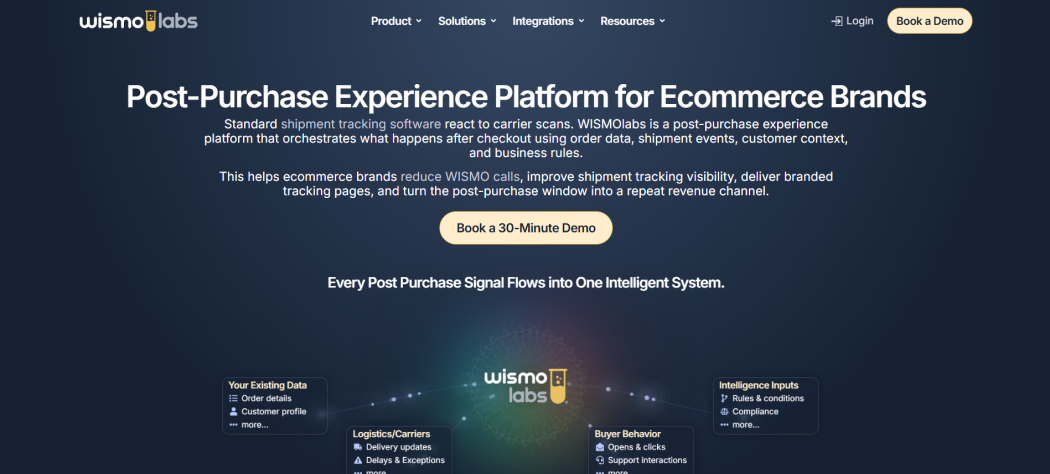
WISMOlabs is a post-purchase experience platform built for brands swamped by “Where is my order?” questions. Rather than functioning as a simple tracking page, returns tool, or generic post-purchase platform, it acts as a contextual customer communication layer throughout the period between checkout, shipment, delivery, and any follow-up actions – where customers typically need the most reassurance.
The platform combines real-time carrier synchronization, delivery exception monitoring, branded tracking experiences, and proactive notifications to keep customers informed and reduce WISMO tickets.
By bringing together logistics data, order information, customer context, and shipment events, WISMOlabs helps retailers maintain greater control over the delivery journey and address issues before they escalate into support requests.
What sets WISMOlabs apart is its ability to combine multi-carrier tracking data with broader customer and order context. It standardizes logistics events across carriers and enriches them with order details, customer history, shipment behavior, and optional third-party data to deliver the right customer communication at the right moment.
It works with over 750 carriers, connects smoothly with major ecommerce platforms, and holds strong 5.0 ratings on Capterra, GetApp, and SourceForge.
It’s a solid fit for mid-market brands where WISMO tickets consume a significant share of support resources. By connecting logistics data, customer information, and communication workflows in a single platform, WISMOlabs helps brands reduce support workload, improve post-purchase communication, and create a better delivery experience.
Pros:
- Predictive delay detection reduces reactive support fire drills
- Customer behavior analytics link delivery experience to retention metrics
- Automated workflows handle routine WISMO inquiries without human intervention
Cons:
- Smaller merchants may not need all features
- Some customization is required for advanced workflows
Parcellab — European merchants who need multilingual post-purchase experiences that actually reduce support ticket volume
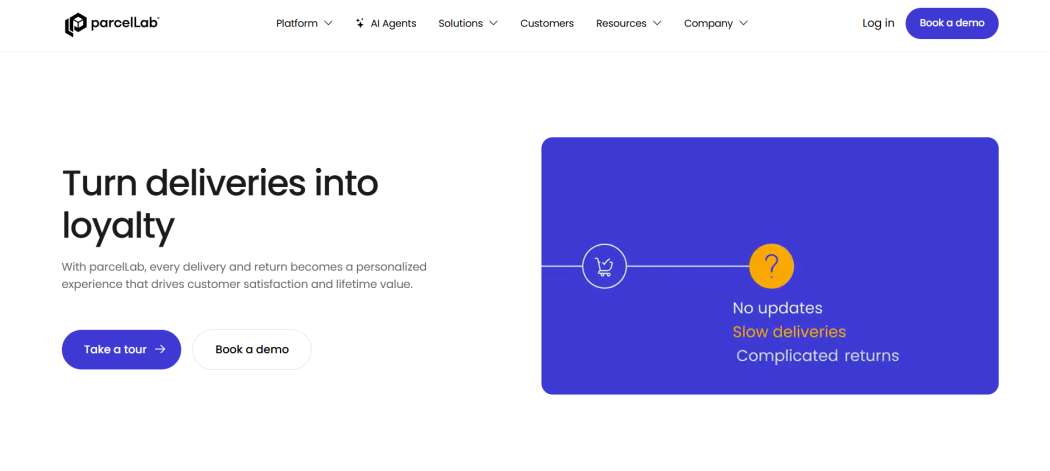
Parcellab is built around improving the post-purchase phase. They treat delivery wait times as a revenue chance rather than just a cost. It’s particularly strong for European brands thanks to its multi-language and multi-currency setup. For example, a French shop can ship to different countries with properly localized tracking.
Real-time info and early notifications stop many customer questions. Support inquiries drop, which cuts costs. What makes it different is using the tracking experience for branding – upsell opportunities, discount offers during delays, and easy review requests. This works well for mid-market European stores with €5M–€50M revenue that juggle multiple carriers and languages.
Pros:
- Multi-language tracking pages eliminate the need for separate regional solutions
- Proactive delay notifications reduce “where is my order?” support tickets by 30-40%
- Branded post-purchase experience turns logistics updates into marketing moments
Cons:
- North American carrier integrations lag behind European coverage
Route — Turns delivery anxiety into revenue by letting customers buy peace of mind at checkout
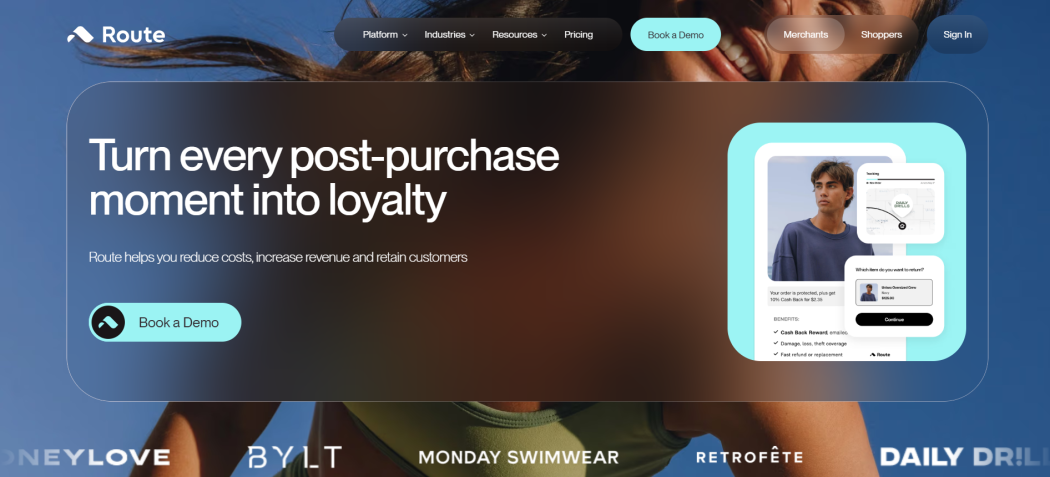
Route changes how post-purchase works by offering shipping protection right at checkout. Instead of stores eating the cost of lost packages or handling complaints, customers can add protection for a small fee. It covers theft, loss, or damage. Merchants then share in that extra revenue.
Route manages the whole claims process through its own interface. Customers file claims easily, and the company handles reorders or refunds. This keeps merchants out of messy disputes. What really stands out is how it turns delivery risk into a profit opportunity. Many users see fewer “Where’s my order?” tickets because protected customers feel secure. It also helps when tracking shows issues, so potential bad reviews get fixed quickly.
Pros:
- Offloads lost/damaged package liability to a third-party layer customers voluntarily pay for
- Revenue-sharing creates a new margin stream from shipping anxiety
- Branded claims portal reduces merchant support ticket volume
Cons:
- Doesn’t address broader post-purchase needs like tracking pages or returns management—single-use case focus
LateShipment — Proactive delay detection that turns shipping failures into retention wins before customers rage-quit
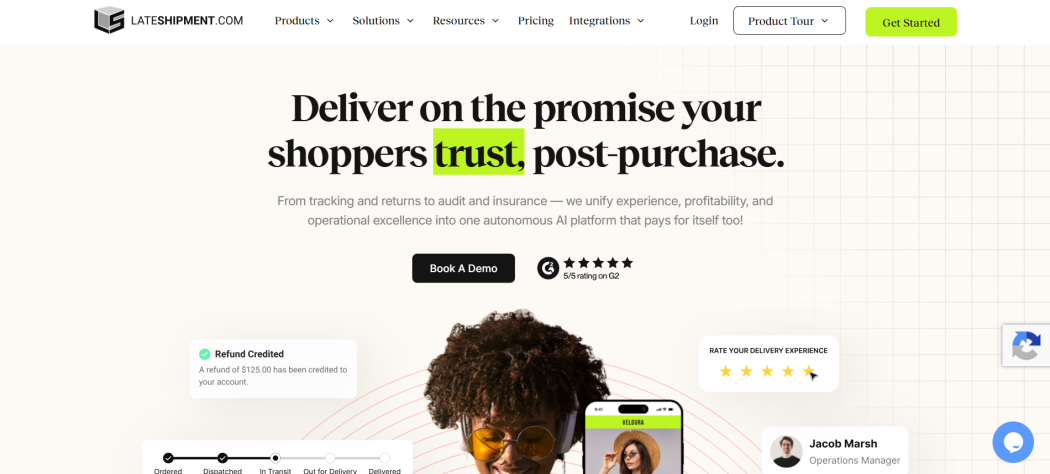
LateShipment focuses on one of the toughest parts of post-purchase: late deliveries. Instead of waiting for angry customers to reach out, it watches carrier performance in real time. As soon as a package falls behind, the system kicks in with automated alerts and actions.
It sends proactive messages like apology emails, discount codes, or loyalty points. That turns a frustrating delay into a chance to build better relationships. High-volume merchants especially like it during busy seasons when late shipments pile up, and support teams get overwhelmed. It helps close the gap between what carriers deliver and what customers expect.
Pros:
- Proactive intervention before customers complain or churn
- Automated retention offer deployment tied to delay triggers
- Reduces support volume by addressing late-shipment inquiries preemptively
Cons:
- Pricing structure not publicly documented—requires sales inquiry
- Single-problem focus limits utility for brands needing broader post-purchase capabilities
Shipup — Mid-market ecommerce brands get end-to-end order visibility without enterprise bloat
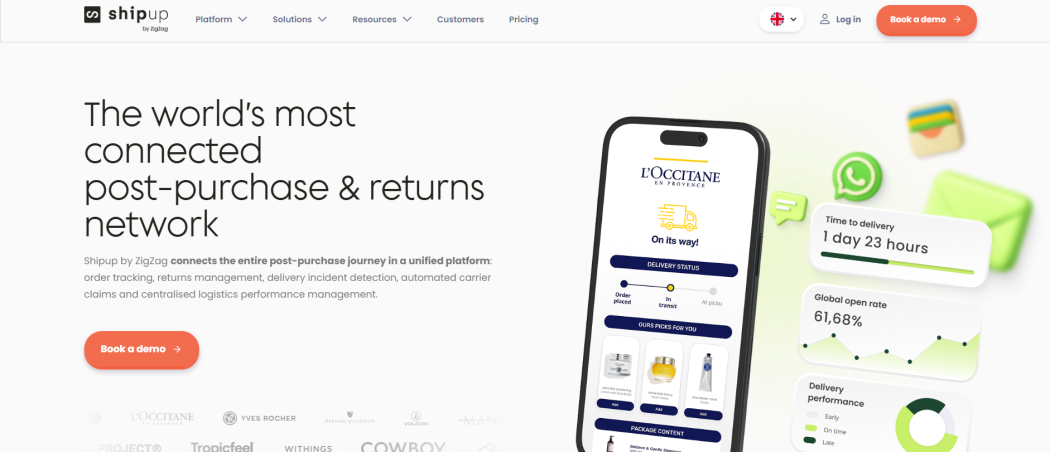
While Shipup doesn’t publicize much about its background, the platform solves a specific issue. It helps brands move past basic notifications by coordinating fulfillment between warehouses and carriers. You get label tools, a custom tracking portal, and automated messages that keep customers happy.
Support queues stay lighter as a result. The tool fits mid-market shops handling 500–5,000 orders monthly. It’s particularly good for DTC apparel, beauty, or home goods brands on Shopify Plus or BigCommerce that want better control without complex setups.
Pros:
- Unified dashboard for order status, carrier handoffs, and customer comms
- Label generation cuts manual carrier portal work
- Branded tracking pages reinforce brand post-purchase
Cons:
- Integration library appears narrower than AfterShip or Parcel Panel for niche carriers
Frequently Asked Questions
Q: How expensive is post-purchase software in 2026?
A: Pricing changes depending on your shipment numbers and the features you pick. Entry plans for smaller stores run about $50–100 per month. For mid-market brands moving 1,000–5,000 orders, expect $300–800 monthly. Bigger setups usually get custom quotes.
Q: Can these platforms connect to my current e-commerce stack?
A: They generally do. Most work natively with Shopify, WooCommerce, Magento, and BigCommerce, plus carriers like UPS, FedEx, and DHL. They also pair with helpdesk tools such as Zendesk or Gorgias. Take a look at the API info before you sign up.
Q: Can post-purchase software actually reduce customer support tickets?
A: Yes. Proactive tracking notifications and self-service portals typically reduce “Where’s my order?” inquiries by 30-60%. Automated return label generation cuts refund-related tickets similarly. The ROI depends on your current support volume—high-ticket stores see faster payback.
Q: What’s the difference between tracking-focused and returns-focused platforms?
A: Tracking platforms prioritize shipment visibility, carrier performance analytics, and delivery notifications. Returns platforms specialize in reverse logistics—label automation, refund workflows, and exchange management. Some solutions combine both. Choose based on your biggest pain point: delivery transparency or returns friction.
Q: Is there a free trial period?
A: Most offer 14-30 day trials. Some require a credit card upfront, others don’t. Test with real order data during trial—dummy shipments won’t reveal integration quirks.
Conclusion
Post-purchase problems hurt customer loyalty. The five platforms we reviewed turn tracking issues and difficult returns into better retention tools.
Pick the right one based on your main problem. If delivery questions create too many support tickets, choose a platform with strong tracking. If returns are hurting your profits and customer trust, go for good reverse logistics features. Test the best fit on your top products for 30 days.